On the occasion of the International Women's Day, EIGE Director Carlien Scheele addresses the Inter-Parliamentary Committee meeting on the topic: "Women’s rights and democracy: combating stereotypes, disinformation and violence in the digital age” in the European Parliament on 5 March 2026.
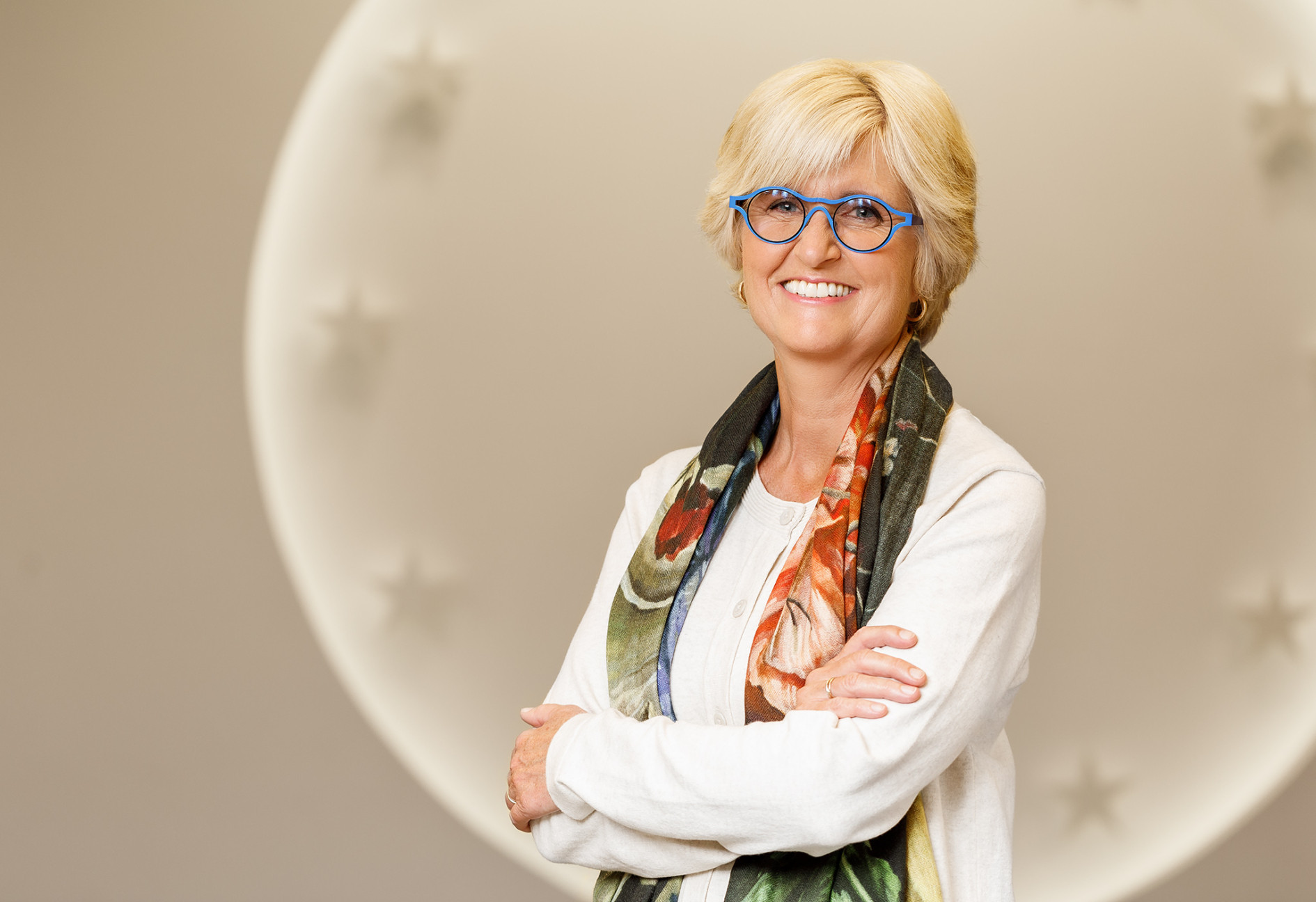
Good morning dear chair, and dear colleagues,
Much has been said today – and rightly so about the scale, seriousness and the human cost of violence in the digital age.
We have heard from the different speakers the extent to which gender equality is under pressure. And when we hear it repeatedly, it can start to sound like rhetoric. But it is not.
And it feels particularly timely that we are having this discussion just as the new Gender Equality Strategy for 2026–2030 is being launched.
Because if the Roadmap for Women’s Rights is anything to go by, it should aim to protect women from digital violence, counter disinformation, and challenge stereotypes, as fundamental ways to safeguard our democracy.
As the last speaker here today, I want to underline what the evidence tells us about where the principles of gender equality are under the greatest strain – and what that means for legislative and oversight work.
Our resilience is being tested every single day. As technology advances, new forms of harm emerge - like deepfakes that target women and girls, silencing voices and eroding trust. In this shifting global landscape, the fight for gender equality and the protection of our democracies become more complex, and more urgent.
The two are inseparable.
Democracy cannot function without gender equality. Gender equality is an essential pillar of democracy ensuring fairness, participation, social wellbeing and inclusive governance. So gender equality cannot exist where women’s voices are silenced. Whether that is because of gender stereotypes, disinformation, or violence.
One of the clearest stress tests for gender equality and democracy today is the digital space – where gendered disinformation and technology‑facilitated abuse are increasingly used to silence women and distort democratic participation.
My Agency’s evidence shows that digital spaces not only mirror but amplify structural inequalities. Violence against women in public life – which has long been recognised as a barrier to participation, is taking on digital forms: harassment, threats, smear campaigns and targeted disinformation.
This abuse is often gendered and sexualised. It targets women who are visible – politicians, journalists, activists, experts – and its purpose is not only to harm, but to push women out of public debate.
And more than that, it turns women off from the idea of entering public life. When that happens, democracy loses diversity, and trust.
The EU's vision of a "Union of Equality" is far from being a reality. The gender equality gains which have taken a lifetime to achieve, are now on wafer thin ice against the global rise in aggressive anti-gender narratives. Which seek to undermine our hard-fought efforts.
We have all heard about the growing influence of online misogynistic subcultures as well, often referred to as the manosphere. This network of online communities – often packaged as a space to support men’s health and wellbeing - are often hostile environments where anti-gender narratives thrive. Since this is all online, these harmful norms spread like wildfire.
And this is exactly why I hope the new Strategy will treat the safety and participation of women in public and political life as a democratic priority – with concrete action against gender-based disinformation and online violence, so that visibility never has to come at the cost of safety…
Now that I bring up safety…
Digital platforms are essential for democratic participation. But without effective safeguards, transparency and gender-sensitive moderation, they can also become environments where harm escalates.
Robust evidence is essential to tackle the issue.
My Agency and the EU Agency for Fundamental Rights just this week released a deeper analysis of the main results from the EU Survey on Gender-Based Violence with voices and experiences from over 115,000 women across the EU. It reveals the sinister ways in which digital tools are used in the continuum of violence against women.
Starting within the workplace - seven percent of ever-working women in the EU have experienced sexual harassment at work involving online tools - such as explicit messages or unwanted advances via social media. And then outside the workplace, data from eight Member States indicates that 11.7% of women have experienced sexual cyber harassment. In those same countries, 8.5% of women report cyber stalking.
But the data also tells us something equally important: the consequences.
A quarter of women in the EU who have experienced stalking change their phone number or email address or close their social media accounts. Nearly three in ten take protective measures such as avoiding going out alone, changing routes to work or school, or carrying something to protect themselves. And 15.7% change their place of residence, job or place of study, or stop working or studying altogether.
Evidence like this is precisely what is shaping the EU’s next steps. I hope that the new Strategy will reinforce action against cyberviolence and strengthen platform accountability – shifting the burden away from women having to change their lives, and towards prevention, enforcement, and responsibility where it belongs.
Digital violence does not stand alone. It intersects with gender stereotypes and disinformation that undermine women’s credibility and reinforce unequal power structures. Gender-based disinformation often questions competence, focuses on appearance, or portrays women leaders as illegitimate. These narratives can spread quickly, sometimes amplified through networks that thrive on polarisation and hostility.
The consequences go far beyond individual harm. When women withdraw from public discourse, when candidates decide not to run, when voices are silenced – democratic debate becomes narrower and less representative.
Democracy relies on participation, trust and inclusion. Without them, it weakens.
And this is where we must also confront a persistent problem: who we hold responsible. Too often, the burden still falls on women – to protect themselves, to withdraw, to adapt their behaviour. It’s all on them. But let’s make something abundantly clear, responsibility lies with those who stalk, bully and harass.
Shame needs to switch sides – the powerful words of Gisèle Pelicot, who described how she initially blamed herself and felt afraid to act. Her experience reminds us that shifting the focus from victims to perpetrators is not only a matter of justice – it is a precondition for change. It is so well documented that when victims internalise blame, they are less likely to seek justice or support.
Coming back to turning evidence into action. Here’s what we know to be true:
Firstly, we need better data – harmonised, gender-disaggregated information that helps us understand trends and measure progress.
Secondly, platform accountability is crucial, with transparent moderation and risk assessments that consider gender impacts.
Thirdly, victims must have access to effective support and remedies.
And finally, prevention is how we end gender-based violence!
Education and digital literacy can challenge gender stereotypes and build resilience to disinformation, especially among younger generations.
None of this can be achieved by one actor alone. Governments, EU institutions, platforms, civil society, educators and researchers all have a role to play. The digital ecosystem is interconnected, and so must be our response.
The EU has already taken important steps. Our task now is to ensure that gender equality is not treated as an afterthought, but as a core principle of democratic resilience.
Now a simple thought to end with.
A digital space that is safe for women is a digital space that is stronger for democracy.
By confronting gender stereotypes, countering disinformation, addressing harmful online cultures, and preventing violence, we are doing two-in-one: protecting individual rights, thereby we are strengthening democracy itself.
Thank you.


