In a scene setter for the 2025 Gender Equality Index event at the Residence Palace in Brussels on 2 December 2025, Director Carlien Scheele called for renewed ambitions to dismantle gender stereotypes once and for all…
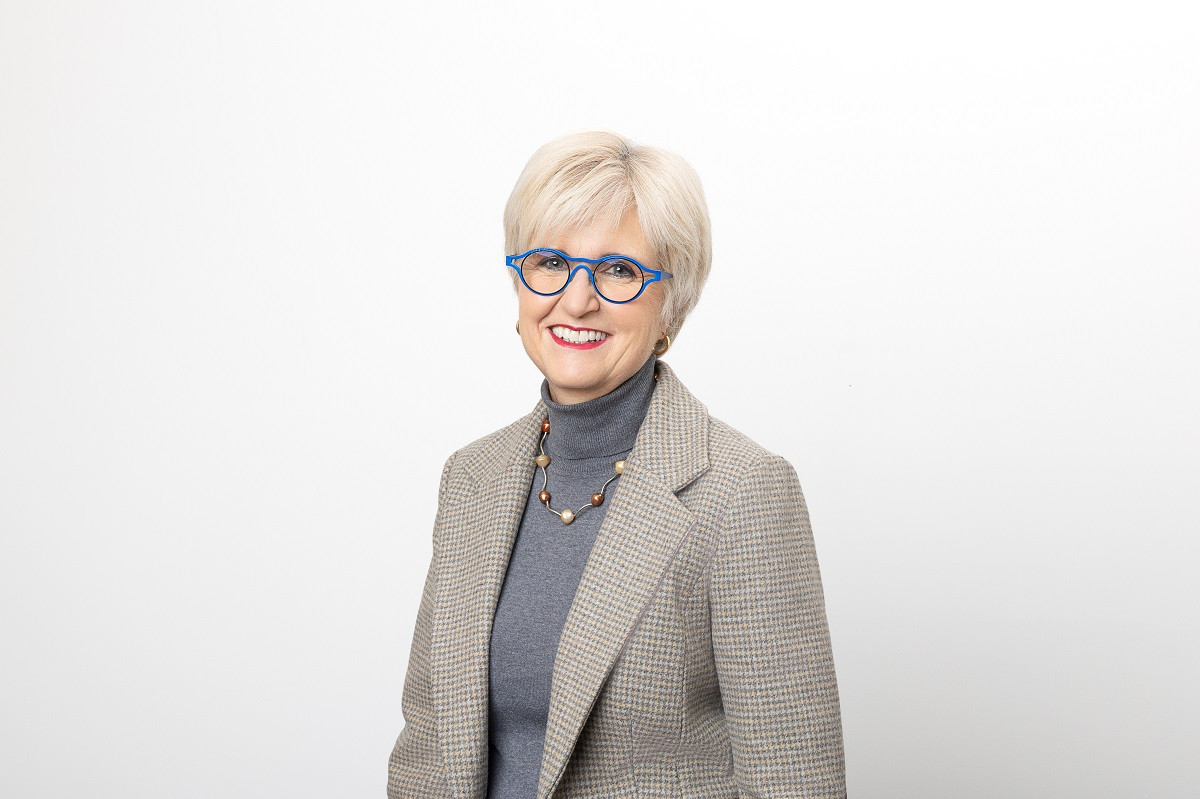
Good morning, everyone! It is my pleasure to welcome you to the release of our 2025 Gender Equality Index.
To our partners, colleagues and friends, on behalf of the Agency, thank you for making the time to be here today, whether you are online or with us here at the Residence Palace.
Firstly, I will briefly set the scene before handing over to my colleagues who will walk you through this year’s Index results and trends.
As you know every year we share the state of progress on gender equality in the EU. And every year, we face changing and evolving realities as our evidence and insights highlight.
This year our Gender Equality Index confronts us with a truth that continues to shadow every part of our lives: gender stereotypes.
They are not just opinions or attitudes – although that is one part of the persisting problem.
They are a lot more powerful than we think.
Gender stereotypes are the invisible framework which shape our choices, opportunities and ambitions.
In other words, they are holding us captive and preventing us from reaching our true potential.
They reinforce segregated educational pathways, unequal pay, unequal care responsibilities, and barriers to leadership.
So it makes sense that we are still over half a century away from reaching full gender equality...
These issues are as old as time but over time, they have indeed shifted.
The public perceptions of gender roles in the 90s are very different to how we see them today. Which proves, change is entirely possible.
So it’s high time we set another new paradigm. Because we absolutely can. Remember that this is our own doing. We, as a society constructed gender stereotypes, and we as a society, can deconstruct them.
I am delighted that we have an exceptional line up of expert leaders and voices here with us today, who will bring us up to speed on the real-world impact gender stereotypes have on our lives. From the media to the world of business, to the caring economy and to the policy level.
I am sure their insights and experiences will strike a chord with every one of you and make you think, ‘ahh this is a familiar reality for me too…”
But before we hear from the speakers, our Agency’s experts: Irene Rioboo and Davide Barbieri, will reveal the results from our Gender Equality Index 2025, which comes with an upgraded methodology.
I am sure you are thinking why? And why now?
Well, if you think about how our phones go through a software upgrade every so often to be more agile, efficient and reflective of consumer needs, we have done the same thing for advancing progress for gender equality.
With our revamped methodology, we have a more modern, more responsive Index - one that reflects digitalisation, work-life balance, and the changing realities of life in Europe.
We consulted more than 125 experts and 20 stakeholder groups to refine it, and I want to thank all those who contributed to making the Index stronger and an even more powerful benchmark for gender equality progress.
Because the insights from the 2025 Gender Equality Index are not simply data points. They are action points - crucial for shaping the next EU Gender Equality Strategy.
By identifying where gender gaps are widest and where gender stereotypes persist the most, our evidence provides a clear roadmap for targeted policies and actions.
It helps policymakers, organisations, and civil society prioritise interventions that can dismantle barriers, promote gender equality in education, work, care and leadership, and ultimately ensure that the next Strategy is informed by robust, up-to-date data and responsive to the realities people face across Europe.
On that note, it is also our great pleasure to have Commissioner for Equality, Preparedness and Crisis Management, Hadja Lahbib, to talk us through what lies ahead for gender equality in the European Union, especially the political ambition and policy levers being mobilised to tackle and dismantle gender stereotypes.
We are also joined by Josie Christodoulou, the Commissioner for Gender Equality in Cyprus, who will give us a first look into what to expect for the Cypriot Presidency in the first half of 2026 – which the Agency is supporting with a report on cyber violence against girls. For this, we’ve taken a deep dive into the many forms of online violence girls aged 13-18 experience. I must alert you: what is happening online cannot be ignored – especially because it’s moving faster than we can keep up with. If anyone thinks it’s a niche issue, consider the fact that Orange the World has placed a hyper focus on digital violence this year for the 16 days of activism. It demands attention at every level.
So, coming back to our event today – as we move through the latest findings on gender equality, I invite you to reflect the data through one question:
What would Europe look like if gender stereotypes no longer steered our decisions, expectations and policies?
The question is neither rhetorical nor theoretical. Because I hope by the end of the event you all come away with at least one concrete idea of how we can move forward and make it a reality – together.
Thank very much, I hand back to Helene now.