Care underpins our economies and societies, yet it remains unevenly shared.
Delivering care can limit time for paid work and career advancement. While the gender imbalance in providing care determines who has space for rest, health and taking part in public life.
EIGE’s latest survey shows how unpaid care is organised across the EU, and why care remains one of the biggest drivers of gender inequality today.
A comprehensive picture of unpaid care in Europe
Where inequalities persist: key findings from the CARE survey
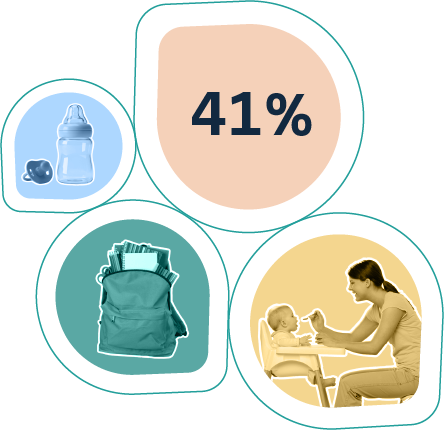
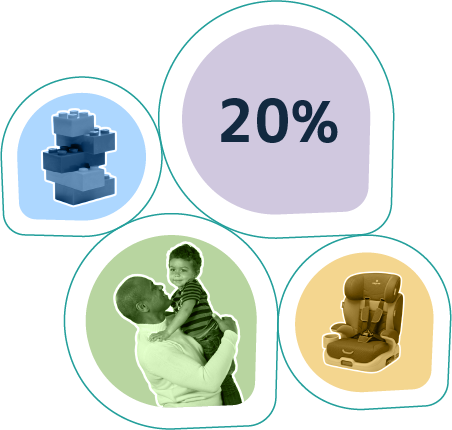
Women and men both provide care, but the intensity still differs
Across the EU, women and men are both involved in caring for children. But when care becomes intensive, the balance shifts sharply. Women are more than twice as likely as men to provide over 35 hours of childcare per week.
This difference in intensity matters. High levels of unpaid care shape daily routines, limit time for paid work and increase pressure on health, wellbeing and leisure time.
EIGE insight
Participation alone does not equal equality. Time spent on care is where gender gaps remain most visible.
Housework remains unevenly shared
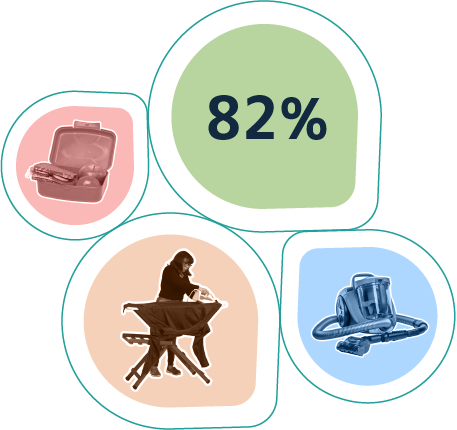
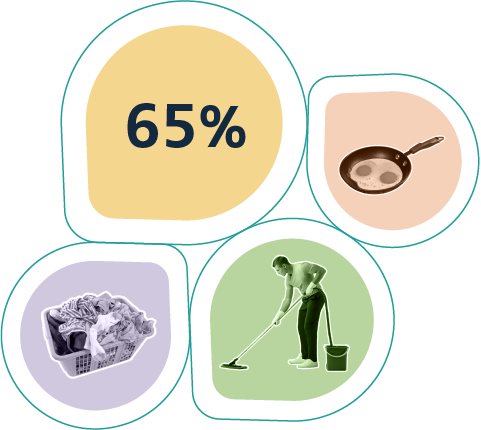
Everyone does housework. But women still do more than men, with 82% doing household chores at least four days a week, versus 65% of men. Yet men are more likely to believe the work is shared equally with their partners.
Caring for children and older people makes housework more intensive for both women and men. Many with care responsibilities dedicate over eight hours a week to it.
EIGE insight
When housework combines with care responsibilities, women face greater time pressure and higher risks of time poverty. They do more of everything.
Combining paid work and care is a shared challenge with unequal consequences
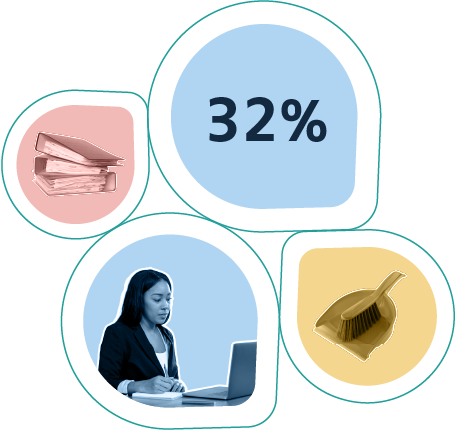
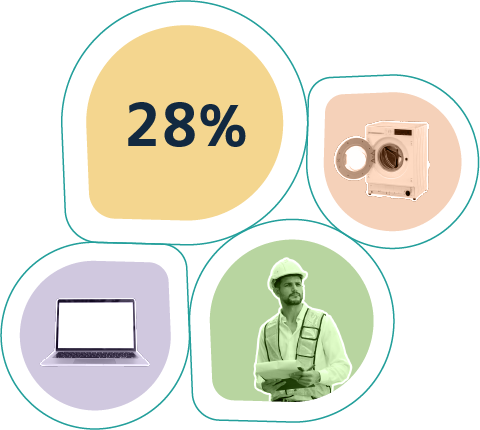
Women and men struggle to balance paid work with care and household responsibilities. But care is especially hard to combine with paid work. 32% of women regularly struggle to balance work with childcare, compared with 28% of men.
But the consequences are not the same. Women are more likely than men to reduce working hours to accommodate care, reinforcing gender gaps. Though only a small share of carers leave work entirely, this still limits women’s time, opportunities and earning potential.
EIGE insight
Care responsibilities continue to shape women’s careers more strongly, reinforcing gaps in pay, career progression and long-term economic security.
Access to leisure reflects time poverty
Care and housework not only affect work, they affect everything else we do. And how we relax, socialise, rest and stay healthy.
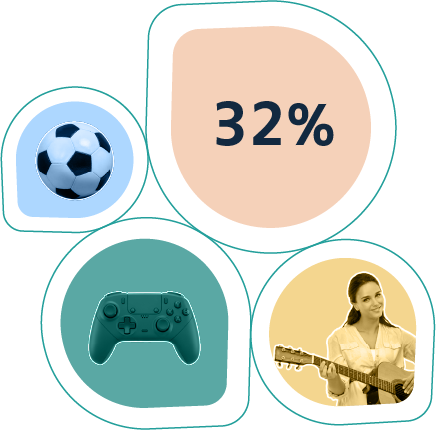
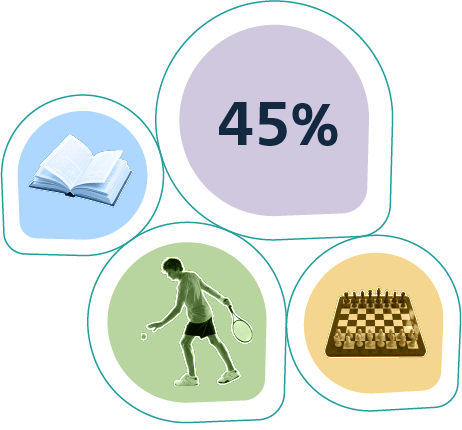
Across the EU, men are more likely than women (45% vs. 32%) to spend eight or more hours a week on leisure activities. This difference here is clearest among those with care responsibilities, where there is a 16 percentage point gender gap.
EIGE insight
Unequal access to leisure is a clear signal of how unpaid care limits women’s time beyond work.
Attitudes are changing unevenly
Most people across the EU support shared care in principle. Yet attitudes towards who should provide care still differ by gender and generation.
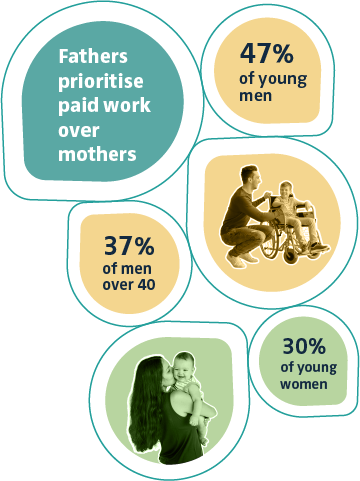
Young women are more likely to support equal sharing of care and time off work, while many young men show more traditional views than the previous generation. 47% of young men think fathers prioritise paid work over mothers, compared with only 30% of young women and 37% of men over 40.
EIGE insight
Progress on norms is uneven. Policy leadership remains essential to support lasting change.
What needs to change
The CARE survey shows that informal solutions are not enough. Gender equality in care will not happen without structural change.
Policy action can make a difference by:
-
Encouraging shared responsibility
Challenge gender norms so women and men can share care and housework more equally.
-
Reinforcing care services
Improve the availability, affordability and quality of childcare and long-term care services, while strengthening working conditions in the care sector.
-
Ensuring workplaces support carers
Enforce equal and non-transferable leave, encourage men to take up care-related leave, and strengthen flexible working arrangements for all carers.