Gender equality for growth, care, skills, investment, leadership, every policy
Highlights
-
+10% EU GDP per capita if gender gap closes
-
€3.15T potential economic gain for the EU
-
10.5M more quality jobs across the EU by 2050
-
€576B annual value of Europe's unpaid care economy
Why now?
Competitiveness sits at the heart of the EU's economic agenda, and the EU Gender Equality Strategy 2026–2030 names gender equality as a driver of growth.
The question is no longer whether gender equality drives growth. It's how Europe can use this evidence and the opportunities it presents. Five things unlock the answer.
CARE makes work possible
We all give or receive care at some point in our lives. Growth depends on how we share it.
Across the EU, women are more than twice as likely as men to provide over 35 hours of childcare a week. When work and care collide, it's most often women who cut their hours.
When care is shared, and backed by services families can find and afford, everyone gains.
- Parents get a fair chance to work and earn.
- Children get quality early years education.
- And men get something workplace culture too often talks them out of: time to care for the people they love.
Business feels the difference, too. Employees whose care responsibilities are supported miss fewer days, perform better and stay longer.
The unpaid care holding Europe's households together is worth an estimated €576 billion a year. That’s around 3.6% of Europe’s GDP making care essential infrastructure for the economy.
Care is essential infrastructure for Europe's economy, and investing in it pays back.
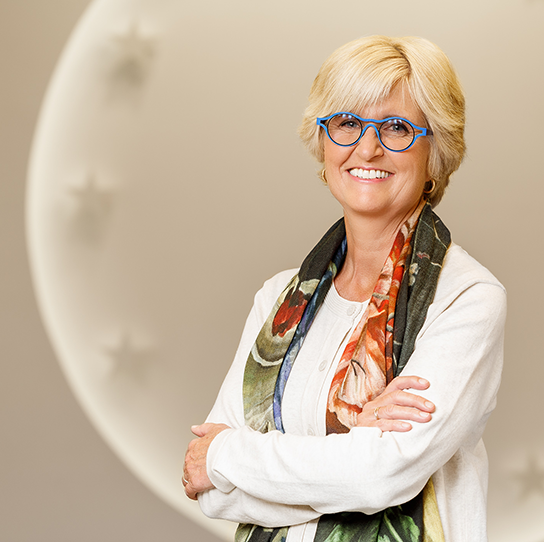
Care is the unseen foundation of our economies and societies. Yet it is still treated as a private responsibility rather than a shared one.
Carlien Scheele, EIGE Director
SKILLS turn talent into growth
Getting people into work is only the beginning. Growth happens when skills rise to meet what the economy needs. And Europe's most pressing skills shortages are gendered.
That’s a problem for both STEM and EHW sectors and the economy as a whole. Talent is overlooked in the roles with the best pay and the strongest prospects. To keep up with the innovation revolution and the productivity gains it could bring, the EU wants to build a stronger and more inclusive STEM pipeline, advance women and future innovators.
Closing gender gaps in STEM alone could add up to 3% to EU GDP per capita and as many as 1.2 million jobs by 2050
Fair skills practices also help employers hold onto the talent they already have. Our gender-neutral job evaluation tool helps businesses value work fairly and transparently.
Many skills gaps can be traced back to the underuse of existing talent, as witnessed by deep gender gaps in some occupations.
The Draghi Report

INVESTMENT backs the builders
Women build fast-growing businesses. The European Institute of Innovation and Technology finds that women-founded businesses grow 1.2 times faster than the rest.
Across Europe, fewer than one in four deep tech startups have a woman in the founding team, and all-women founding teams attract barely 2% of early-stage venture capital funding.
For investors, the case is straightforward: gender-diverse teams are associated with stronger performance.
As entrepreneurship plays an important role in creating jobs, innovation and growth, fostering entrepreneurship is a key policy goal for governments seeking to create sustainable employment opportunities.
Europe cannot reach its full competitiveness potential while gender inequalities continue to influence who innovates, whose ideas attract investment and whose solutions scale. Across the EIT Community, we see how widening access to entrepreneurial skills, networks and investment via our innovation ecosystems allows more of Europe’s best talent to turn their ideas into market solutions. Closing the gender investment gap is therefore not only a matter of equality; it is an economic imperative.
Martin Kern, Director of the European Institute of Innovation & Technology (EIT)

LEADERSHIP makes growth stick
Decision-makers matter. In boardrooms, budgets and cabinet rooms, the people setting priorities determine whether Europe's potential is used or wasted.
The doors are opening. Women now hold around a third of board seats in the EU's largest listed companies, and almost 40% of non-executive roles.
But look closer and the picture changes: women make up less than a fifth of executive directors, and fewer than one in ten CEOs.
Balanced leadership performs better, and it opens the door for talent coming up behind. A competitive Europe needs equality in the room where decisions get made.
And it needs leaders who understand that improving gender equality boosts all other metrics they’re interested in: from competitiveness to GDP growth.
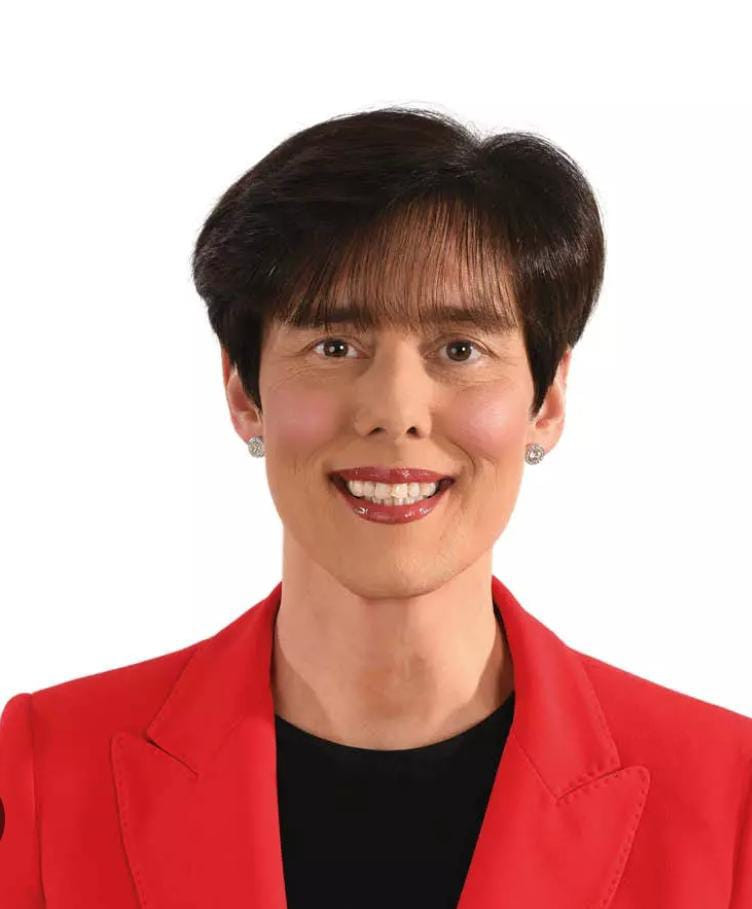
Economies and societies that fully value and support women's talents, perspectives and contributions are better positioned to innovate, compete and thrive in an increasingly complex global environment.
Norma Foley - Minister for Children, Disability and Equality, Ireland
EVERY POLICY can build a future-ready economy
One good policy at a time is not how Europe wins. Gender mainstreaming means building equality into every policy area, every budget line and every impact assessment, so that each decision builds on the one before.
This is where ambition becomes a business advantage.
Care lets people work, skills put their talents to use, investment backs their ideas, and balanced leadership sees them through. Together, they do more than they ever could alone.
The tools to achieve this already exist:
- Gender budgeting shows where public money works hardest;
- Gender impact assessment catches the blind spots before they turn into costs;
- And the Gender Equality Index measures whether any of it is working.
Economies that plan this way will be better placed to withstand whatever comes next.
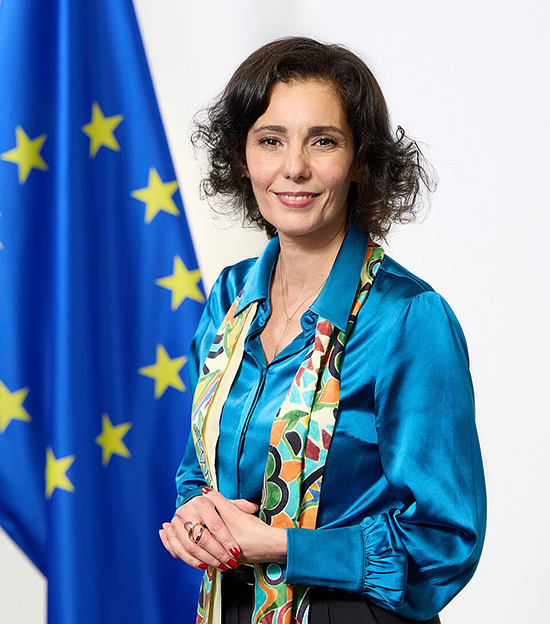
Equality should be part of everything.
Hadja Lahbib, the EU Commissioner for Equality
The evidence is in. So, now is the time to act.
-
For policymakers
For policymakers, that means weaving gender equality into every budget, brief and plan, until it's central to how Europe competes. EIGE can help: our tools were made for this.
-
For employers
For employers, it starts closer to home. EU-wide guidelines on gender neutral job evaluation help organisations of any size get pay, care and progression right, and keep the talent that follows.
-
For all of us
And for all of us, growth starts at home. More equality means more opportunities... for everyone.