Despite Europe’s wealth, gender still decides who is most vulnerable to poverty.
That’s about more than income. It’s also about time, resources and power. Women, especially lone mothers, older women, Roma and those with disabilities, face the highest risks of hardship.
Women face a higher risk of poverty or social exclusion than men
22% of women and 20% of men in the EU are at risk of poverty or social exclusion.
EIGE recommendations
- Make reducing women’s poverty a priority in future EU strategies.
- Develop a 2030 European Anti-Poverty Strategy with targets disaggregated by sex, and incorporate a gender perspective into the European Platform on Combating Homelessness.

Time poverty holds women back from financial independence
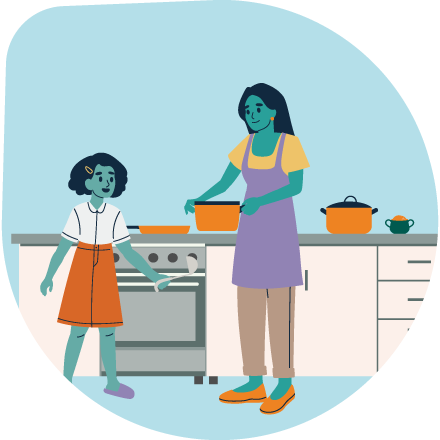
Women in the EU spend more time on unpaid work. In heterosexual couples, 63 % of women do cooking and housework daily, compared with just 36 % of men.
EIGE recommendations
- Compensate unpaid care work.
- Address time poverty and household inequalities to reduce women’s long-term vulnerability and support women’s financial independence.
Older women face higher poverty due to the gender pension gap
Women aged 65+ are 6 percentage points more likely than men to face poverty. The gender pension gap stands at 25%.
EIGE recommendations
- Reform pensions for fair access.
- Explore individual taxation to close pay and pension gaps.
